
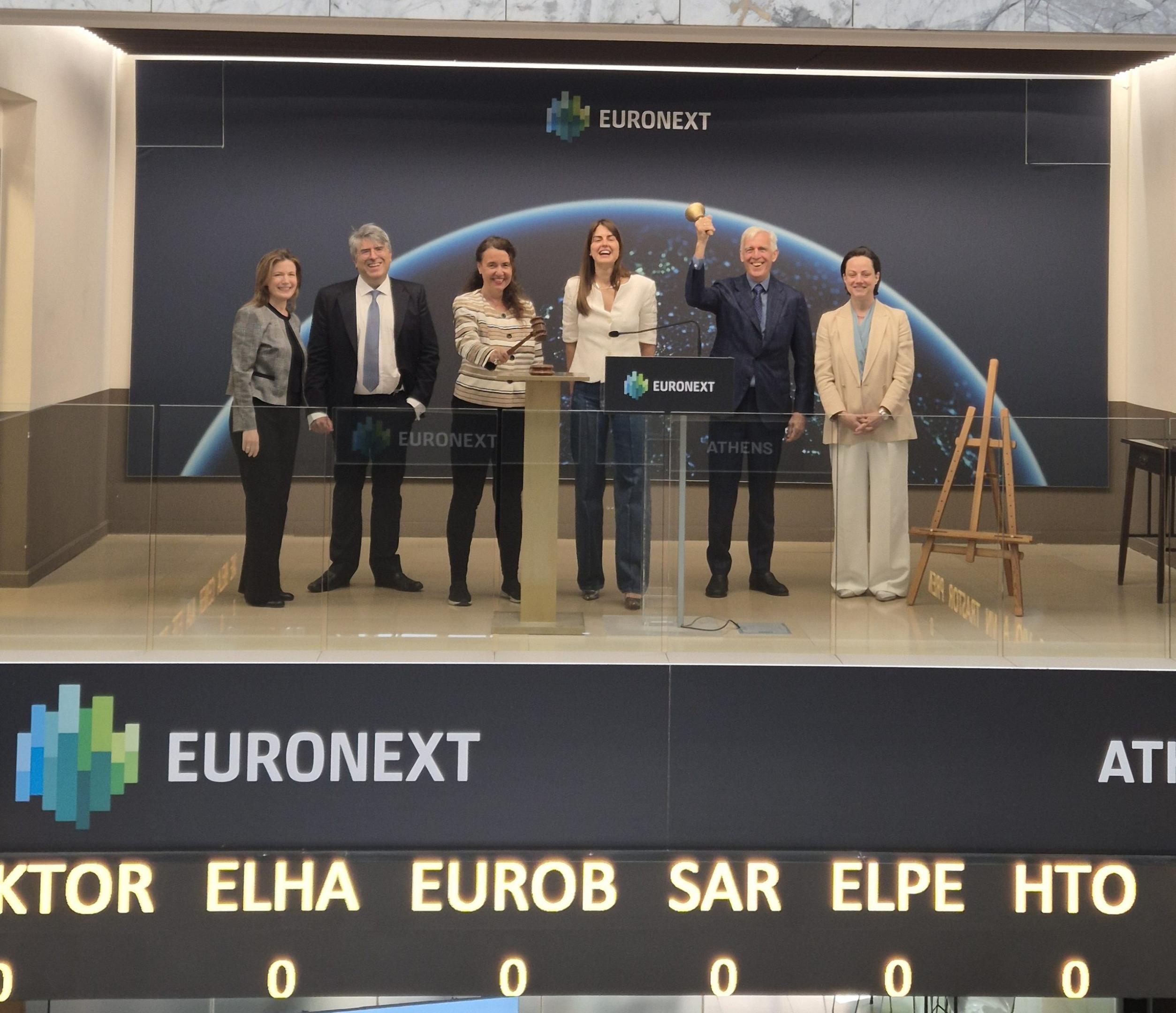
In a closed-door discussion for board members, participants examined how climate, nature and governance are reshaping directors’ duties, highlighting the growing importance of long-term thinking, effective oversight and boardroom judgement in an increasingly uncertain environment.
Directors’ Duties, Climate, and Governance: Insights from a CGI Greece Board Discussion
The Climate Governance Initiative (CGI) Greece recently convened a closed-door board discussion for members of its Founding Circle, entitled “Directors’ Duties in Relation to Climate, Nature and Governance.” Held under the Chatham H
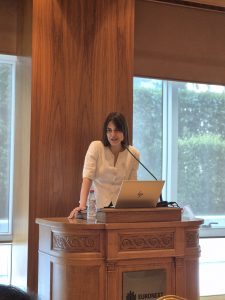
ouse Rule, the session brought together board members for an open exchange on the legal, governance and strate
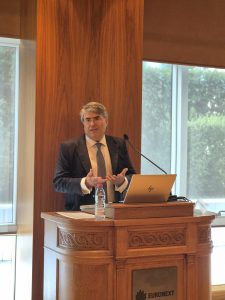
d and delivered pro bono by Alexander Metallinos of PotamitisVekris, the discussion explored the evolving responsibilities of boards in relation to climate, nature and governance.
gic implications of climate, environmental and transition-related risks.
Develope
Hosted by Euronext Athens, the event was the inaugural activity following Climate Governance Initiative (CGI) Greece’s accession to the Euronext Sustainable Network.
Key Insights from the Presentation
The presentation explored how climate and environmental considerations are becoming increasingly relevant to the exercise of directors’ duties and to the long-term interests of companies. Particular attention was given to the legal duties of directors under Greek law and the principle that such duties are owed to the company itself, rather than exclusively to its shareholders.
Topics discussed included:
 directors’ duties of care and loyalty under Greek law;
- the relationship between national company law and the evolving European sustainability framework;
- the implications of the CSRD and CSDDD for boards;
- the distinction between disclosure obligations and substantive obligations relating to risk management and due diligence; and
- the growing importance of governance in overseeing climate-related and environmental risks.
Participants also examined practical scenarios requiring boards to exercise judgement under conditions of uncertainty and long-term change.
Key Themes from the Discussion
The discussion focused on several broader governance questions.
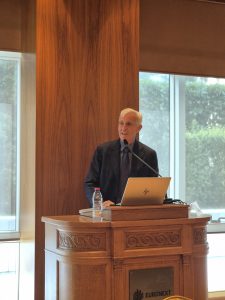 Participants reflected on the increasing importance of long-term thinking in board deliberations and on the role that recent regulatory developments have played in bringing climate, environmental and other long-term risks into boardroom discussions.
A recurring theme was the tension between short-term market pressures and the responsibility of boards to oversee risks that may materialise over longer time horizons. Particular attention was given to climate-related risks, which can be difficult to quantify and incorporate into business decisions despite their potentially significant impact on corporate resilience and performance.
The discussion also highlighted the important contribution of non-executive directors in challenging assumptions, broadening perspectives and helping organisations identify risks that may fall outside established business models or sector norms.
Participants further reflected on the role of governance in shaping organisational resilience and on the importance of effective board oversight in periods of rapid economic, technological and regulatory change.
CGI Greece would like to thank PotamitisVekris for its generous pro bono contribution and Euronext Athens for hosting the event.
CGI Greece will continue to convene board members around the governance challenges shaping long-term business resilience and competitiveness.
