
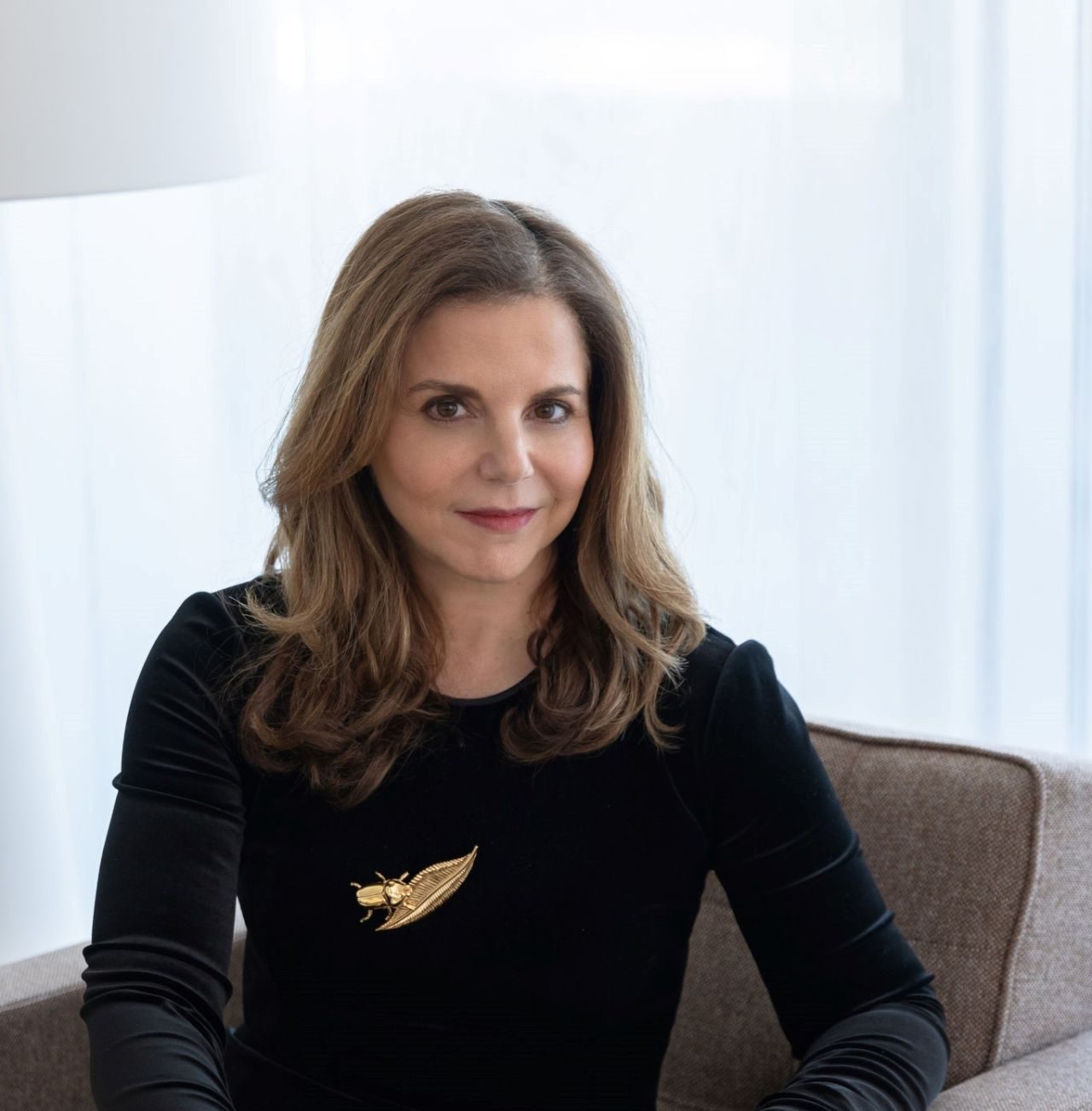
In an exclusive session for board members only, Dr. Maria Vassalou shared forward-looking insights on debt, BRICS+, technology, and the shifting balance of global power—highlighting why resilience, talent, and innovation are the new front lines of influence.
In June 2025, Climate Governance Initiative Greece hosted an exclusive, Chatham House–rule private roundtable for board members only with Dr. Maria Vassalou, Ph.D., Head of the Pictet Investment Research Institute. The session convened board members for a candid, high-level exchange on the profound shifts shaping today’s global economy and geopolitics.
A Shift in Global Power and Influence
Dr. Vassalou opened the discussion with a clear message:
“We’re witnessing a gradual but significant rebalancing of global power. This isn’t just about markets—it affects how we produce, compete, and lead.”
Her remarks explored the weakening foundations of the post-Cold War order, the emerging contest over technology and resources, and the growing pressure on traditional institutions to adapt.
Key Discussion Themes
Drawing on Pictet’s latest research, the conversation examined structural shifts that boards must anticipate:
- The U.S. Debt Dilemma – The dollar’s global reserve status, tied to persistent deficits (the Triffin Dilemma), is increasingly strained by political gridlock and slowing innovation.
- China’s Strategic Positioning – Beyond trade, China leverages control over rare earths, infrastructure investment, and scientific capacity, with BRICS+ expansion as part of its broader strategy.
- The Technological Arms Race – Leadership in semiconductors, AI, and infrastructure is now a determinant of national economic security. The U.S. faces challenges in STEM talent and manufacturing, while China doubles down on domestic reinvestment.
- Alternative Financial Systems – Though the dollar dominates, parallel infrastructures (stablecoins, non-dollar clearing systems) are gaining traction, especially in politically sensitive transactions.
- Demographic Trends – Europe’s aging population presents long-term challenges, while India and Indonesia could benefit from younger demographics if matched with strong governance and productivity.
Why It Matters for Boards
The roundtable emphasized that global influence is no longer defined solely by trade flows—it increasingly depends on leadership in energy, innovation, and industrial resilience.
For European business leaders, the path forward lies in:
- Building resilience by strengthening regional supply chains.
- Investing in education and talent to remain competitive.
- Closing the gap in critical technologies, which will shape future economic and geopolitical influence.
As Dr. Vassalou concluded:
“This isn’t just a question of trade flows or market cycles. It’s about building the industrial and intellectual base for what comes next.”
About Dr. Maria Vassalou
Dr. Vassalou is Head of the Pictet Research Institute, which she established in 2024 to conduct long-term strategic research on macroeconomics, geopolitics, and portfolio implementation. She previously served as Co-Chief Investment Officer of Multi-Asset Solutions at Goldman Sachs Asset Management, and held senior roles at Perella Weinberg Partners, SAC Capital, and Soros Fund Management. Earlier in her career, she was an Associate Professor of Finance at Columbia Business School and served as President of the European Finance Association. She holds a PhD in Financial Economics from London Business School and a BS in Economics from the University of Athens.
CGI Greece’s Commitment
This private roundtable reflects CGI Greece’s mission to equip boards with strategic foresight at a time when assumptions about globalization, Western economic primacy, and monetary stability are being challenged.
We thank Dr. Vassalou for her deep insights and our senior members for their active engagement, reinforcing the strength of the CGI Greece leadership network.
